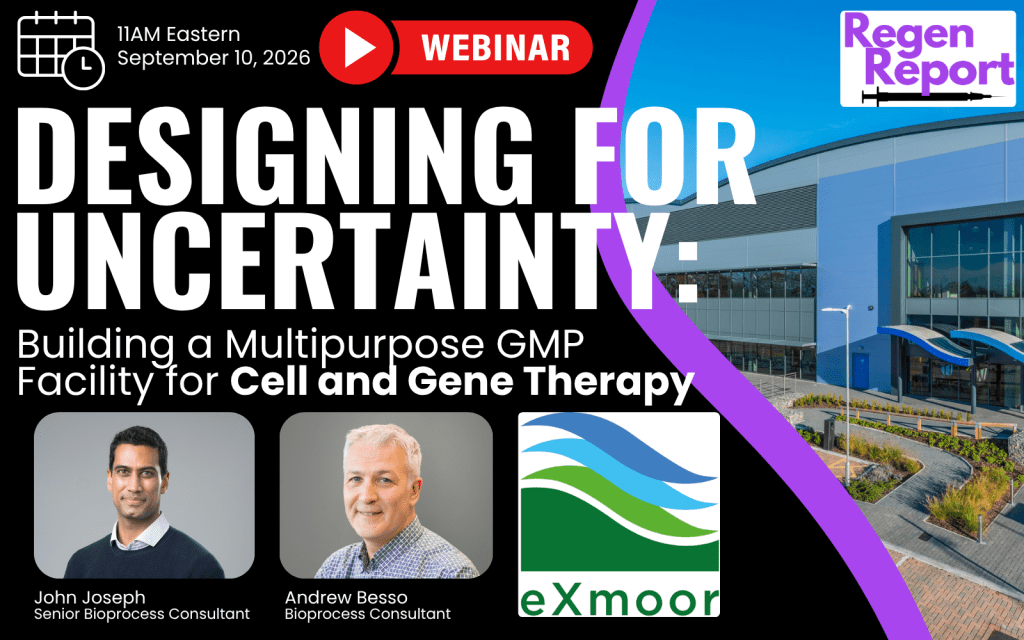
Webinar: Inside eXmoor’s Cell & Gene GMP Facility, Designed for Uncertainty
eXmoor Pharma's experts will present a case study of capabilities and lessons learned scaling its 65,000 foot GMP cell and gene therapy manufacturing center in the UK.

Regenerative Medicine News & Intelligence Hub
eXmoor Pharma's experts will present a case study of capabilities and lessons learned scaling its 65,000 foot GMP cell and gene therapy manufacturing center in the UK.
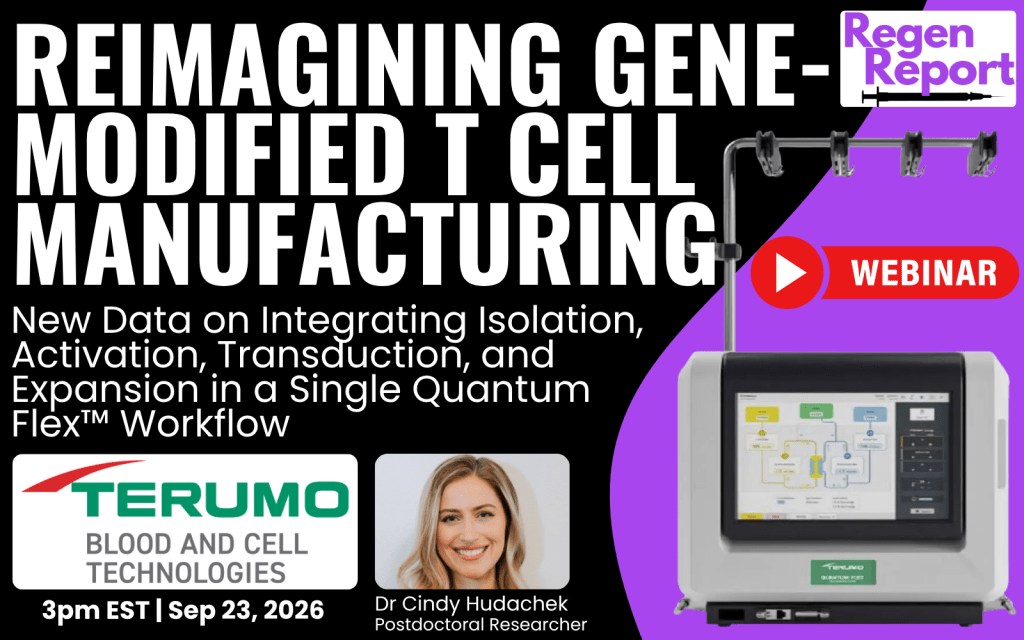
Discover new data showcasing a streamlined approach to gene-modified T cell manufacturing that brings...
eXmoor Pharma's experts will present a case study of capabilities and lessons learned scaling...

Sad day for the industry, here's a summary of the CEO/Executive Chairman's readouts of...
Could a gentler, more scalable method improve how cells are isolated for advanced therapies?...

Cell and gene therapies are advancing quickly, but the systems needed to deliver them...

Pluripotent stem cell therapies are expensive, upwards of $500K–$1M per dose. Mytos has developed...

Gallant is betting the future of veterinary regenerative medicine lies in scalable, well-characterized cell...
Researchers report that intranasal Muse cells improved motor function and reduced neurodegeneration in a...

The trial found no significant difference in pain or function outcomes between bone marrow...

Dr. Marty Makary and Dr. Vinay Prasad publish new article in New England Journal...
NurExone's SCI candidate showed 100% gait recovery in rat models, and they're gearing up...

What appeared to be a potential stem cell breakthrough is slowly being torn apart...

What can the world learn from Japan’s regenerative medicine laws? We sat down with...

HELP Therapeutics’ iPSC-derived cardiomyocytes improved walking distance, myocardial perfusion and heart wall thickening when added to bypass surgery in a 20-patient randomized trial.

The Korean biotech company reported improved pain, joint function, and MRI-based structural measures versus placebo at 24 weeks, with no drug-related serious adverse events.
The designation gives Aspen added FDA support as it advances sasineprocel, a personalized autologous cell therapy for Parkinson’s disease, through clinical development.
The trial will assess the safety and tolerability of ER‑100, an epigenetic restoration therapy designed to restore retinal ganglion cell function, while also measuring visual outcomes.
The approval enables CREATE to start enrolling Australian patients with lupus, systemic sclerosis, and inflammatory myopathies in a first-in-human study of its in vivo CD19-targeted CAR-T therapy, designed to deplete harmful B...
The early trial, published in Nature, found that transplanting stem cell-derived dopaminergic progenitor cells into the brains of people with moderate Parkinson’s disease appeared feasible and showed a favorable 12-month safety profile,...

The partnership will move Sonoma Biotherapeutics’ Phase 1 autologous CAR-Treg therapy for treatment-resistant rheumatoid arthritis onto Cellares’ automated manufacturing and quality control systems to improve scalability, consistency, and readiness for later-stage development.
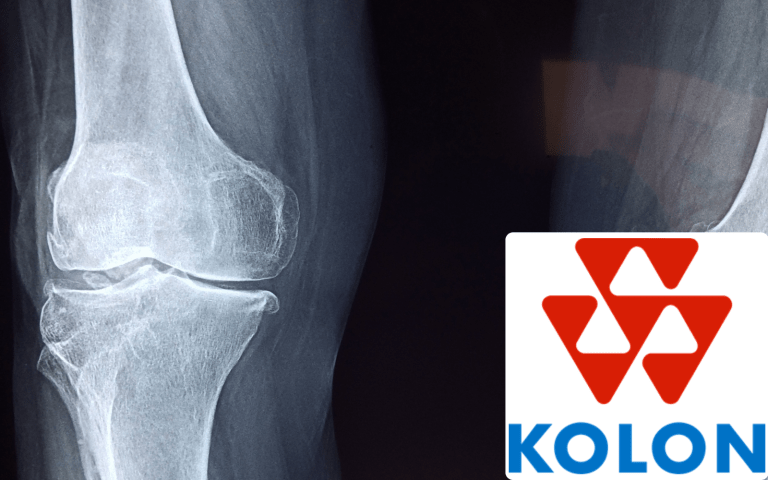
Kolon TissueGene’s phase 3 trial found its osteoarthritis therapy did not improve knee pain or function versus placebo, leaving the biotech to await results from a second late-stage study before deciding the...

The iPSC-derived neural cell therapy takes its next step in potentially restoring dopaminergic neurons lost to the condition.

And it begins... the Korean biotech company whose product, Cartistem, has been approved in Korea since 2012, passed Phase 3 in Japan, and is now entering the West.
The Australian CDMO will manufacture A-SEEDS' therapy for the upcoming trial down under.

The ASPIRO trial of sasineprocel is progressing; fifteen patients have been dosed with the commercial-ready formulation of the autologous cell therapy.

The program is intended to accelerate US drug manufacturing scale-ups and address unmet patient needs. Two companies familiar to our regenerative readers, Cellares and Fujifilm Biotechnologies, made the list!
Following Phase 3, TREGZI, known as Orca-T, had higher graft-versus-host disease-free survival at one year in patients receiving conventional blood stem cell transplants.
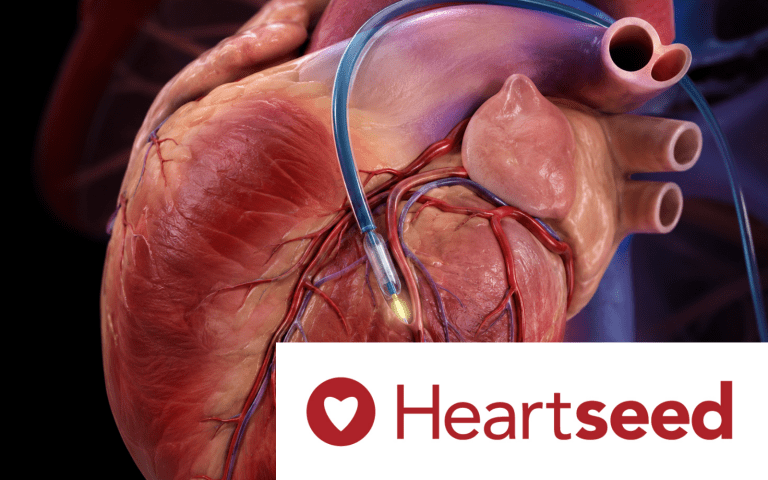
The company's lead program, HS-001, required open heart surgery, while the new innovation allows for a much simpler, less invasive administration.